
Official Santa Clara Convention Center room details and floor plans highlight a 22,398-square-foot Mission City Ballroom, 12 meeting rooms, four exhibit halls, and a 607-seat theater.
This guide focuses on the documented market conditions that shape computer history museum in Santa Clara, CA, with emphasis on venue-specific planning rather than unsupported local-operator claims.
Key focus areas
- planning tied to freight timing, staging, and service handoffs
- documentation reviewed against venue-specific paperwork and utilities
- schedule designed around show-floor pressure instead of generic assumptions
Computer History Museum starts with venue-specific planning in Santa Clara
The Santa Clara Convention Center calendar currently lists programs such as Embedded Vision Summit, TieCon 2026, Anime Impulse, and Collectors Expo CX, confirming an active mix of conference, expo, and fan-event demand in the immediate market.
Official Santa Clara Convention Center room details and floor plans highlight a 22,398-square-foot Mission City Ballroom, 12 meeting rooms, four exhibit halls, and a 607-seat theater.
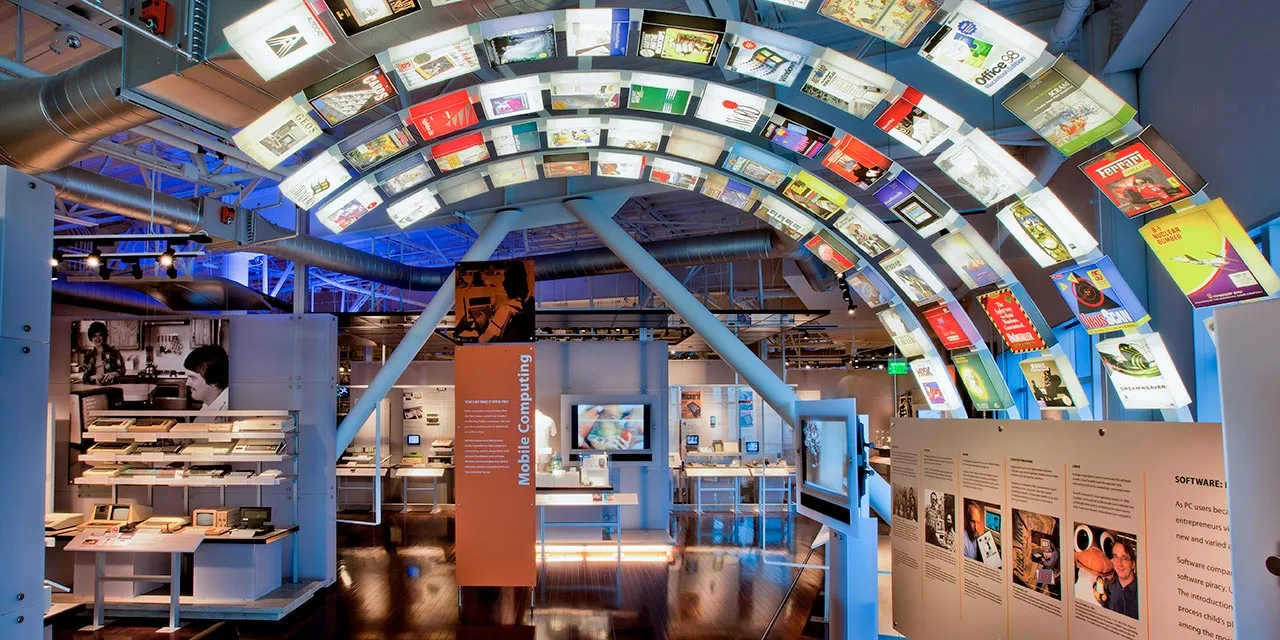
- Computer History Museum: Computer History Museum is a Silicon Valley institution offering indoor and outdoor rental settings for corporate gatherings, private programs, and technology-centered brand experiences.
Where computer history museum changes between downtown, hotel, and regional expo work
Downtown San Jose Event Core adds another layer of planning because Centred on McEnery, San Jose Theaters venues, the Tech Interactive, downtown hotels, and Team San Jose services that support conventions, theater rentals, and branded downtown events.
Peninsula Innovation Corridor matters as well because Covers product launches, investor programs, corporate meetings, and museum or private-event venues tied to the Peninsula’s office and innovation belt.
Computer History Museum and the actual buildings that shape the Santa Clara market
Where a program shifts from the waterfront convention district into hotel campuses or regional expo grounds, the support path changes with it.
That is why computer history museum in Santa Clara should be treated as a venue-driven coordination problem, not a generic line item.
Documentation, labor positioning, and service handoffs
The San Mateo County Event Center says it is the only venue serving all the major population centers in the Bay Area and offers 48 acres with more than 195,000 square feet of indoor exhibit space.
That is especially important for computer history museum because late assumptions about utilities, hanging elements, room resets, or material handling usually turn into avoidable friction once the floor opens.
- Check the current exhibitor manual or venue planning packet
- Map service-provider handoffs before the move-in window starts
- Treat overnight resets and multi-day maintenance as separate workstreams when needed
How to scope computer history museum without flattening the market
Computer History Museum is more dependable when the scope is designed around the actual building, district, and event behavior instead of a generic citywide checklist. A downtown convention-center plan should not be priced or sequenced the same way as a Westshore hotel general session or a Florida State Fairgrounds consumer expo.
That is how computer history museum becomes predictable even when the show environment is not.
Frequently Asked Questions About Computer History Museum in Santa Clara
Why does computer history museum need venue-specific planning in Santa Clara?
Because the Santa Clara Convention Center, connected hotel campuses, and regional expo properties each operate with different access paths, service-provider structures, and timing constraints that directly change the support plan.
What should be confirmed before scheduling computer history museum?
Venue name, dates, footprint, current exhibitor manual or event planning packet, freight assumptions, utility needs, and any hanging or overnight reset requirements should all be confirmed before the sequence is locked.
How do downtown and fairgrounds work differ?
Downtown convention-center work tends to emphasize tighter coordination around building services, connected hotels, and waterfront access, while fairgrounds and regional expo campuses usually shift the plan toward larger staging zones, different routes, and heavier access management.
Does this guidance assume one fixed local operating model?
No.